

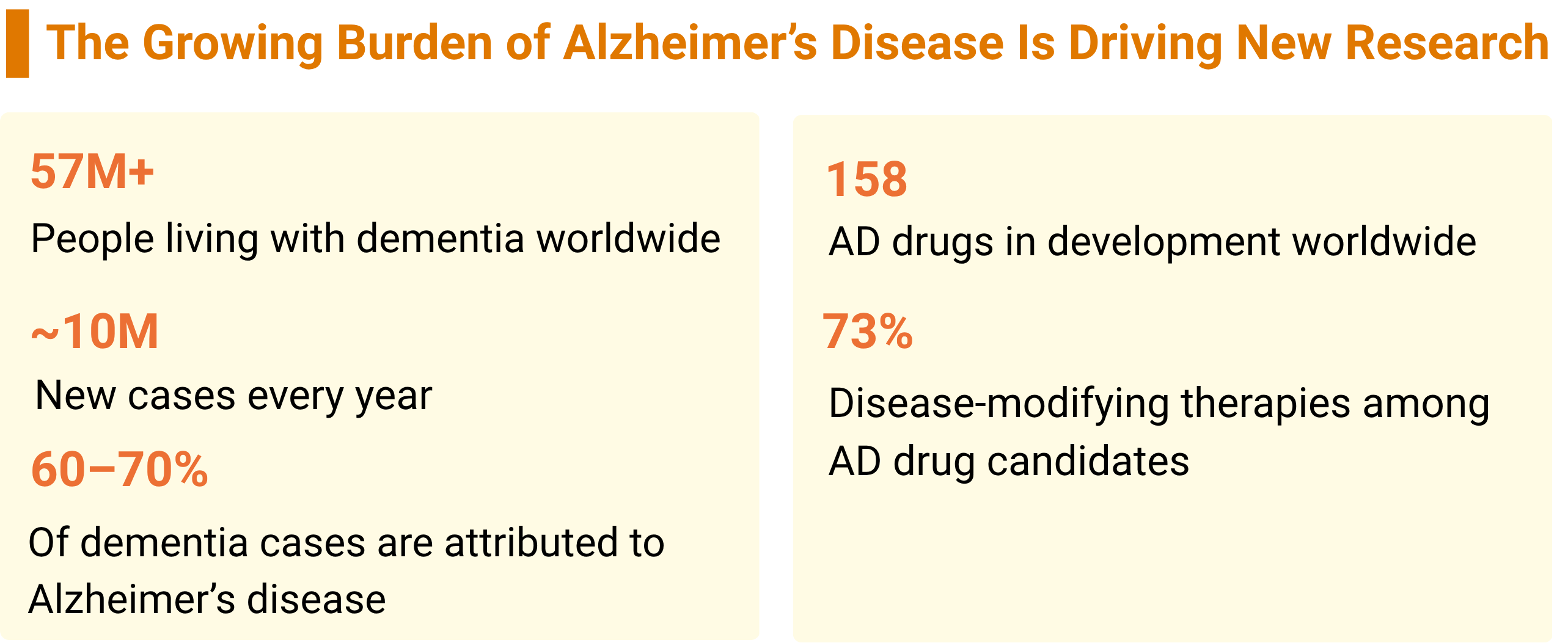
Alzheimer’s disease research is moving beyond the traditional focus on amyloid-beta (Aβ) plaques and tau neurofibrillary tangles. Increasingly, researchers are investigating Alzheimer’s disease as an interconnected network of molecular, genetic and neuroimmune pathways.
Understanding the relationships between amyloid pathology, tau dysfunction, APOE4 genetic risk and neuroinflammation is important for investigating disease progression and identifying potential biomarkers and therapeutic targets.
Explore Alzheimer’s Disease Research Solutions
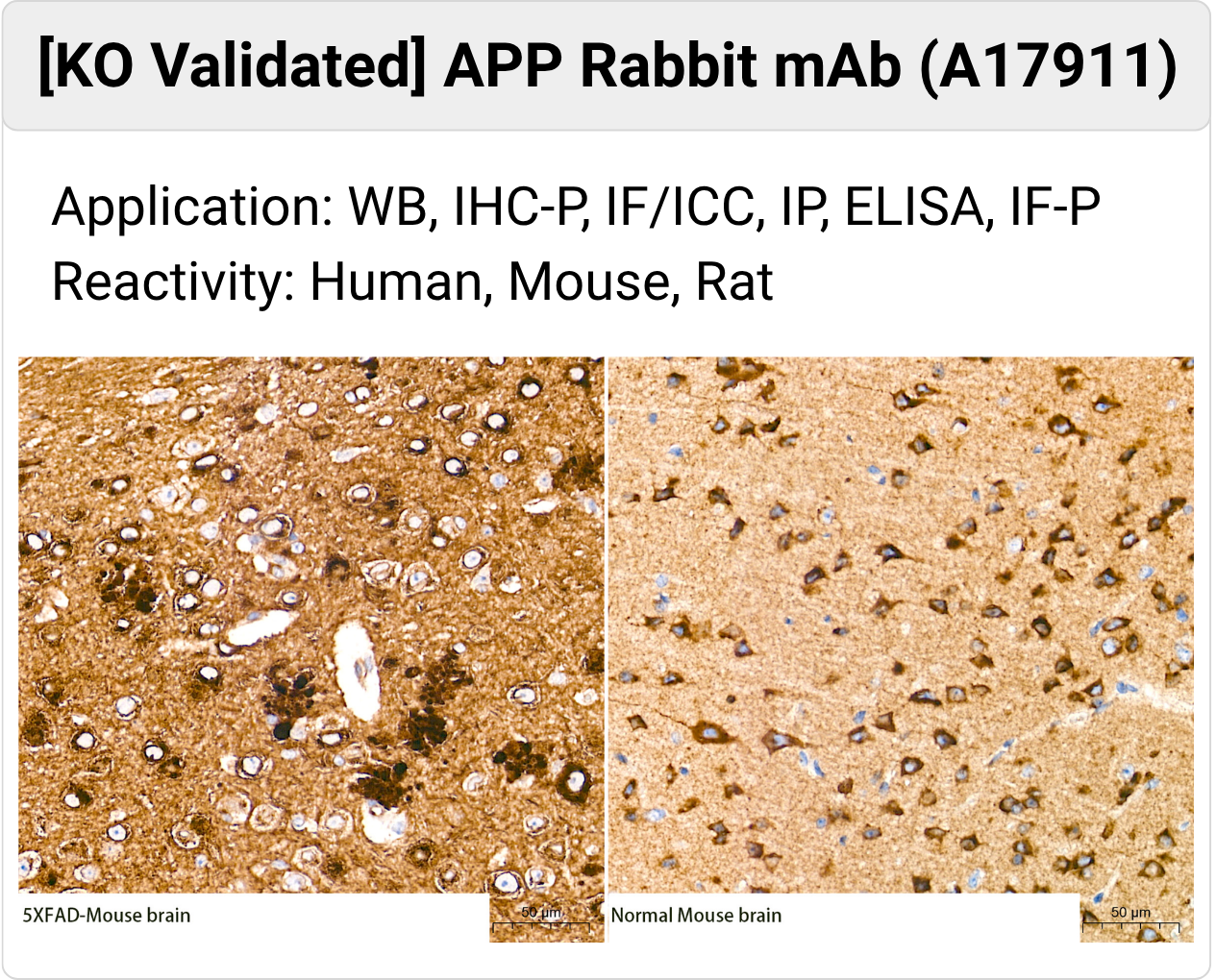
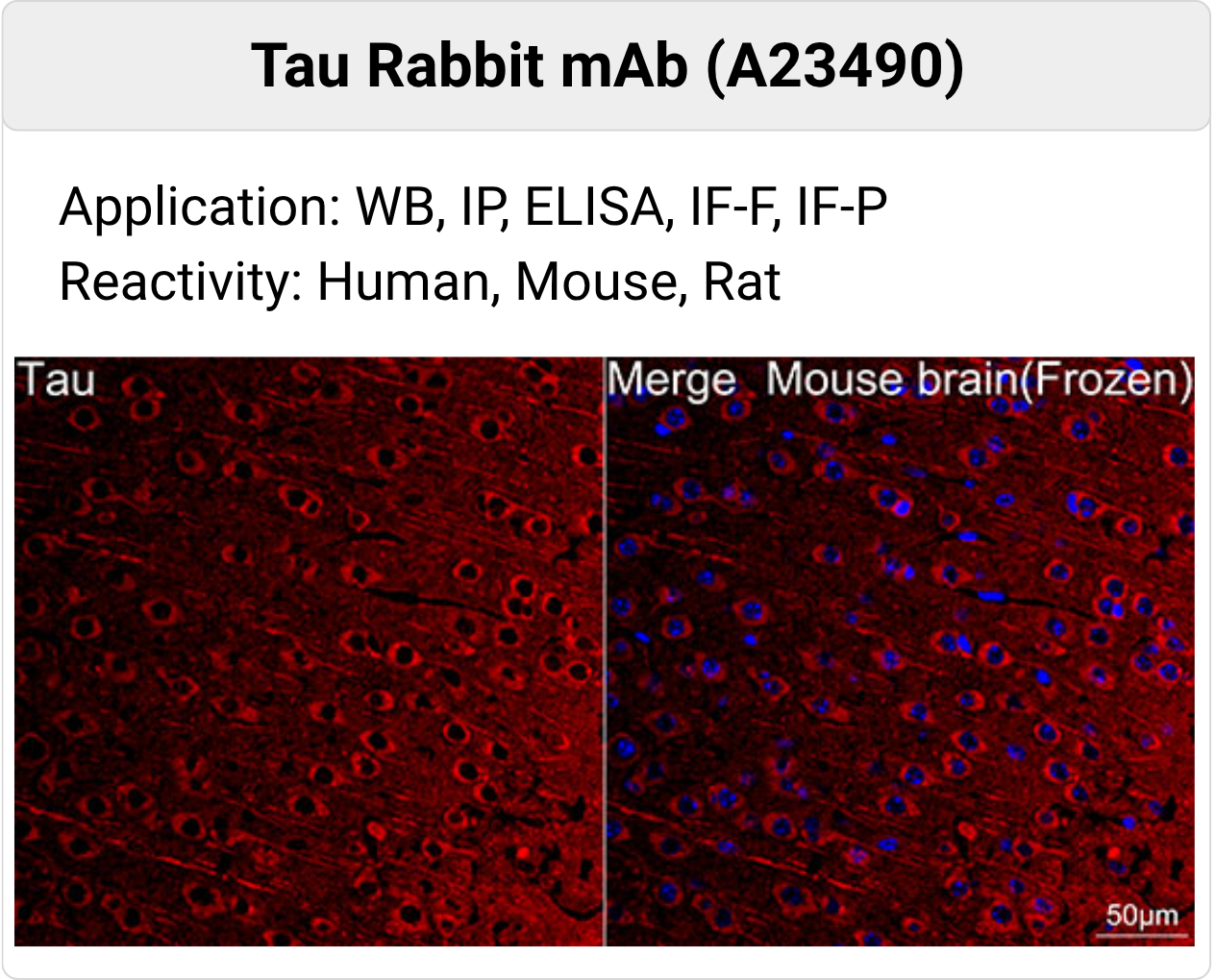
Amyloid-beta accumulation and abnormal tau phosphorylation remain central features of Alzheimer’s disease pathology. However, research increasingly examines how these processes interact with synaptic dysfunction, cellular stress, protein clearance mechanisms and inflammatory signalling.
Antibodies targeting amyloid precursor protein (APP) and tau are valuable tools for investigating protein expression, localisation and disease-associated changes in experimental models.
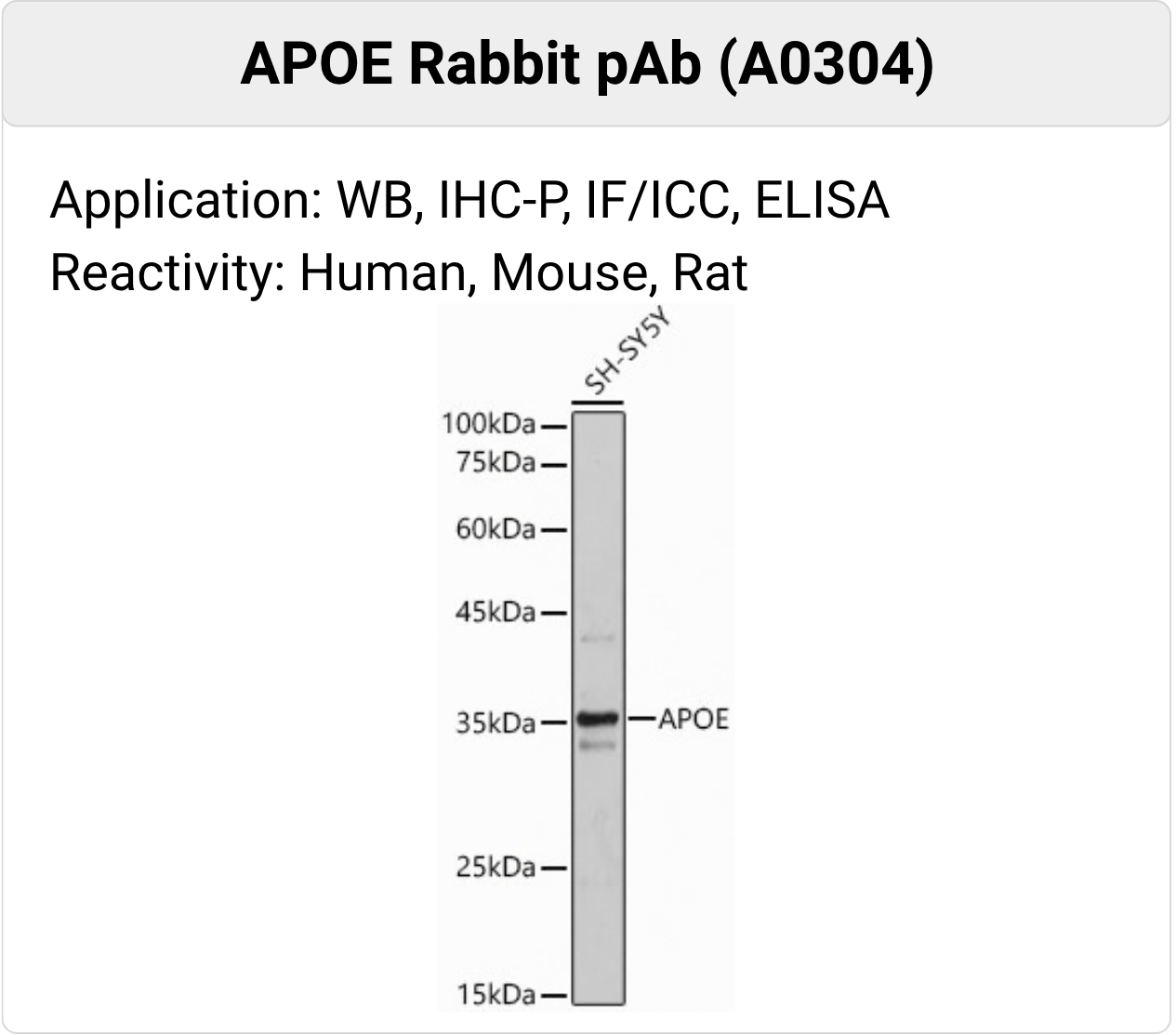
The APOE4 allele is a major genetic risk factor for late-onset Alzheimer’s disease. Research into APOE-associated pathways explores lipid metabolism, amyloid processing, tau pathology and interactions between neurons and glial cells.
Investigating APOE expression and function may help researchers understand differences in disease susceptibility and progression.
Microglia and other immune-related processes are increasingly recognised as important contributors to Alzheimer’s disease pathology, extending beyond the clearance of amyloid-beta deposits.
Inflammatory signalling pathways, including those associated with the NLRP3 inflammasome, are areas of investigation in neurodegeneration, glial activation and disease-associated inflammatory responses.
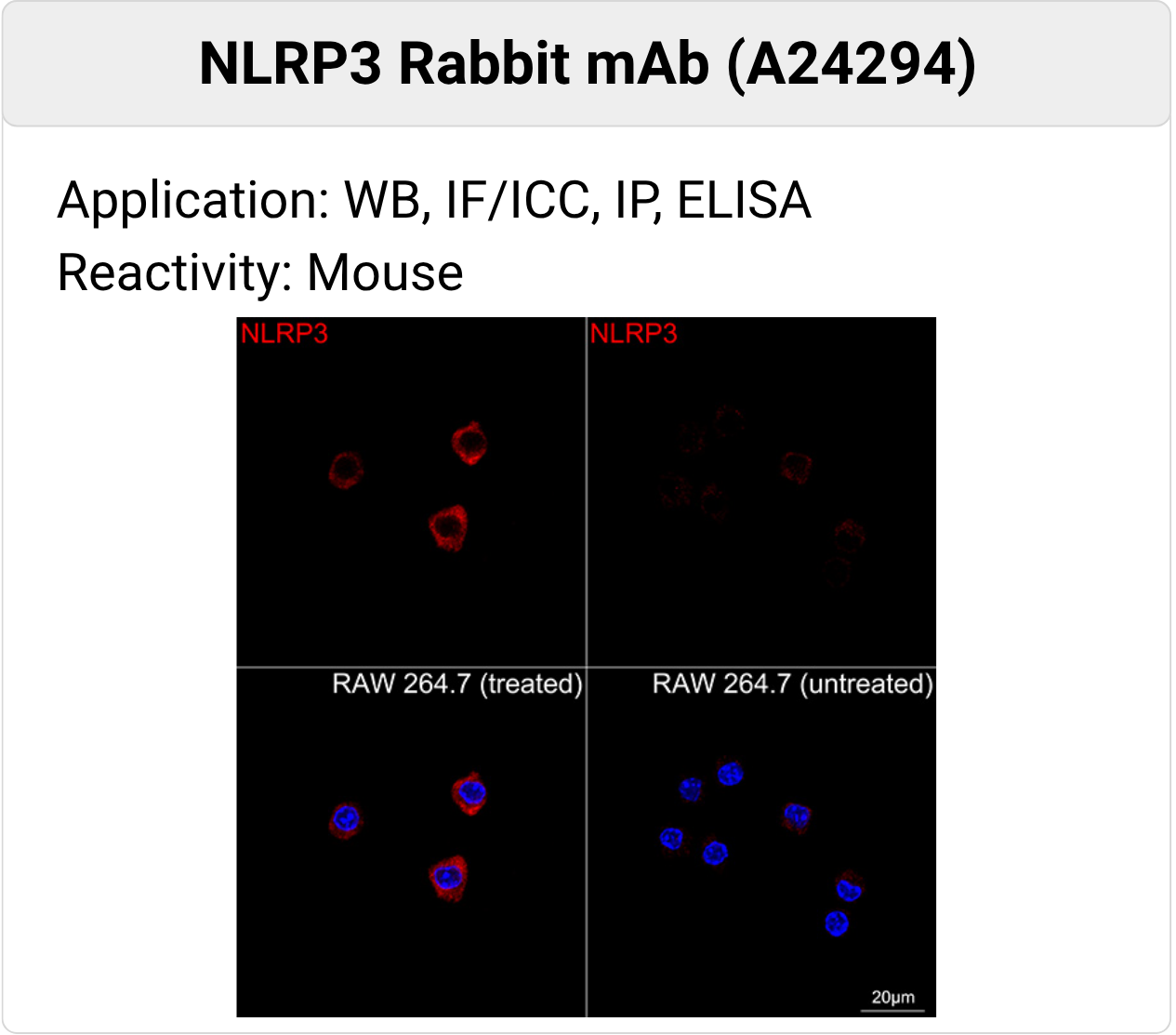
ABclonal provides research antibodies and related reagents for investigating Alzheimer’s disease mechanisms, including amyloid precursor protein, tau, APOE and NLRP3-associated pathways.
These tools support research into neurodegenerative disease mechanisms, protein expression, cellular signalling and biomarker discovery. Researchers should consult the individual product datasheets for validated applications, species reactivity and experimental suitability.
Explore ABclonal Alzheimer’s Disease Research Tools
ABclonal in Australia: Genesearch Pty Ltd is an Australian distributor of ABclonal research reagents. Australian researchers can obtain product information, quotations and ordering assistance through Genesearch.
Products are intended for research use only and are not for diagnostic or therapeutic use.